Five Hundred Rand a Bucket
- September 18, 2026
- Culture & Heritage
- 6 mins read
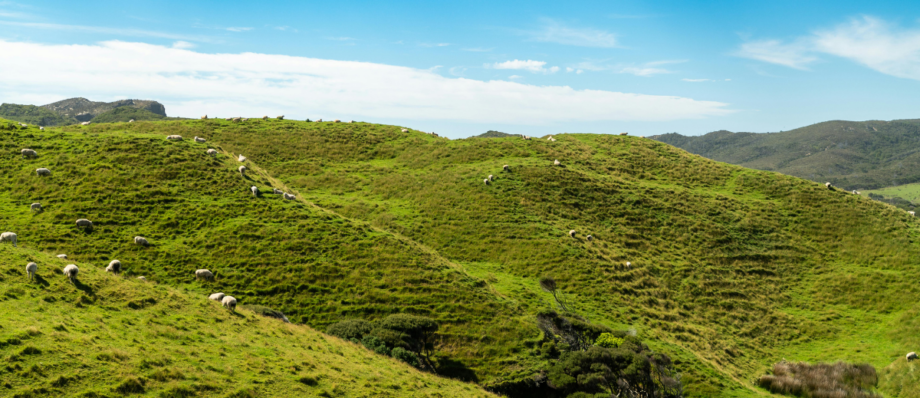
They have grown it on those hills longer than the country has had that name. Then the law changed and the price fell through the floor.
By JBS | CannaStaySA | Puff 'n Post | Culture & Heritage
The bucket
A 20l bucket used to fetch R2 000.
By 2024 it was fetching R500.
That is from GroundUp, 29 July 2024, Lucas Nowicki, who went and stood on those hills and asked. The men he spoke to are named in his piece. They are not named in ours, and that is deliberate, and we will come back to it.
R1500 less than it was, per bucket, for a crop that takes a season and a back.
What do you do when that happens to you? You grow more. That is all you can do. So they grew more, and some of them watched what they grew sit there unsold and then they destroyed it, because there is nothing else to do with a shed full of something nobody is buying.
Why
Three things happened at once and none of them were aimed at these men.
The court said an adult may grow his own in private. So a lot of people who used to buy started growing. That is one.
Foreign genetics arrived. The imported strains run something like twenty to twenty-eight per cent THC. The landraces on those hills run about two and a half to eight. Anybody selling on strength alone was never going to win that fight, and the market that had never heard the word landrace was buying on strength alone. That is two.
Then the urban shops opened. Unregulated, calling themselves dispensaries, selling cheaper and stronger, in cities, to people who were never driving to the Eastern Cape anyway. That is three.
And on top of it all, drought. You cannot switch to something else if nothing else will come up.
The door they were shown
The only lawful way to grow cannabis commercially in this country is a section 22C licence from the medicines regulator.
It costs tens of millions of rand.
Sit with that for a second. A man on a hillside in the Eastern Cape, whose family has grown this plant for longer than anyone can date, is told that the legal route is open to him, and the legal route costs more than his entire district will see in a decade.
That is not a door. That is a wall with a door painted on it.
The provincial rural development agency has talked about formalisation projects and a potential fifty thousand jobs inside twelve years. No timeline attached. It was said in 2024. Go and look at how many of those jobs exist today.
A researcher quoted in the same piece, Tijmen Grooten, put his finger on it. The government took Canada’s framework off the shelf. And South Africa’s cannabis market and history, he said, does not resemble Canada’s.
Canada did not have a hundred years of people growing this in the hills because it was the only cash crop that would grow there. Canada had a regulatory consultancy industry. We imported the second thing to govern the first.
Why we are not printing their names
Two men are named in the GroundUp article, on the record, with their faces on it. Good for them and good for the reporter.
We are not repeating the names, and we are not saying which village, which road, which district or how you would get there.
The State has not commenced its own Act. The old statute is still the one on the charge sheet. And a piece about heritage that doubles as a shopping list is not a piece about heritage, it is something else with a nicer headline. If you finish this article knowing where to drive and who to ask for, we have written it badly.
So: no names, no map, nothing.
What they actually are
Here is what nobody says, and it is the reason this piece exists.
Those landraces are the only thing in South African cannabis that cannot be bought, copied or shipped in. Anybody can import a high THC cultivar. Nobody can import a hundred years of one plant adapting to one set of hills, one rainfall pattern, one altitude, one way of curing that a family worked out and passed down.
Every serious agricultural country on earth eventually figures out that the thing it was ashamed of is the thing worth money. Terroir is not a French invention, it is just French marketing. Wine, coffee, cheese, olives, honey, chilli. In every case the low-value commodity became a high-value product the day somebody put the place name on it and told the story properly.
That has not happened here and it is not going to happen by itself, and it certainly is not going to happen through a licensing scheme that prices out every person who holds the genetics.
What we want, and the line is here
Everything above is what is. This is what should be.
Grow as much as you like.
Not five plants. Not a threshold, not a schedule, not a permit with your identity number on it. As much as you like, on your own ground, and sell it to whoever wants it, and pay tax on what you earn, and that is the whole of the State’s legitimate interest.
Potatoes. Maize. Figs. Olives. Honey. Pumpkins. Konfyt and marmalade. A woman sells fig konfyt at a farm stall and nobody registers the tree. A man sells honey off the back of a bakkie on a Saturday and nobody counts his hives. Quality gets settled where quality always gets settled, which is by people coming back or not coming back. The grower who cures properly is the one they return to. The chancer is finished inside a season. Prices find their level. The money goes to whoever did the work.
Liquor is licensed at the till. Nobody counts the vines in your garden. Nobody weighs the grapes in your bucket.
Weighing what a man has instead of watching what he does is the error, and it is the error in every possession threshold ever drafted, including the ones sitting in draft regulations in Pretoria right now with no closing date on them.
We are not asking for a cheaper licence. A licence is the problem. Let the farmers farm.
Dealing is still a criminal offence today and nothing on this page invites anybody to behave as though it were not.
The part that concerns a traveller
The Eastern Cape is not on anybody’s cannabis map and it should be at the top of it.
Not because you can buy something there. You cannot lawfully, and this page is not telling you to try. Because it is the place the plant actually comes from in this country, the landscape is absurd, the coast is empty, and the people are the people.
A directory that only lists the Western Cape is a directory that has decided South African cannabis culture began in a Cape Town shopfront in 2019. It did not. It began on those hills, and the reason nobody has listed it is that nobody has bothered to go and find who has a bed.
We are bothering. If you keep a cottage, a rondavel, a room, a farm stay or a patch of grass anywhere along that coast or up in those hills, we want you on the list, and we want you on it before the rest of them notice.
CannaStaySA is an information and advertising directory. Over eighteen only. We do not sell cannabis, supply it, broker it, or help anybody else do any of that, and there is nothing on this page that tells you where to get any, or who grows it, or how to find them. What we do is tell you who has a bed, in which town, on which night. You talk to them yourself.
R2 000 a bucket, and then R500.
They did not do anything wrong. The law changed around them and left them standing there.
Make it before they take it, Selah.